Technical Articles
Technical articles on powder measurement and quality control.
Practical insights from the field.
%201.png)
Automated Grind Gauge Testing for Dispersion Quality Control
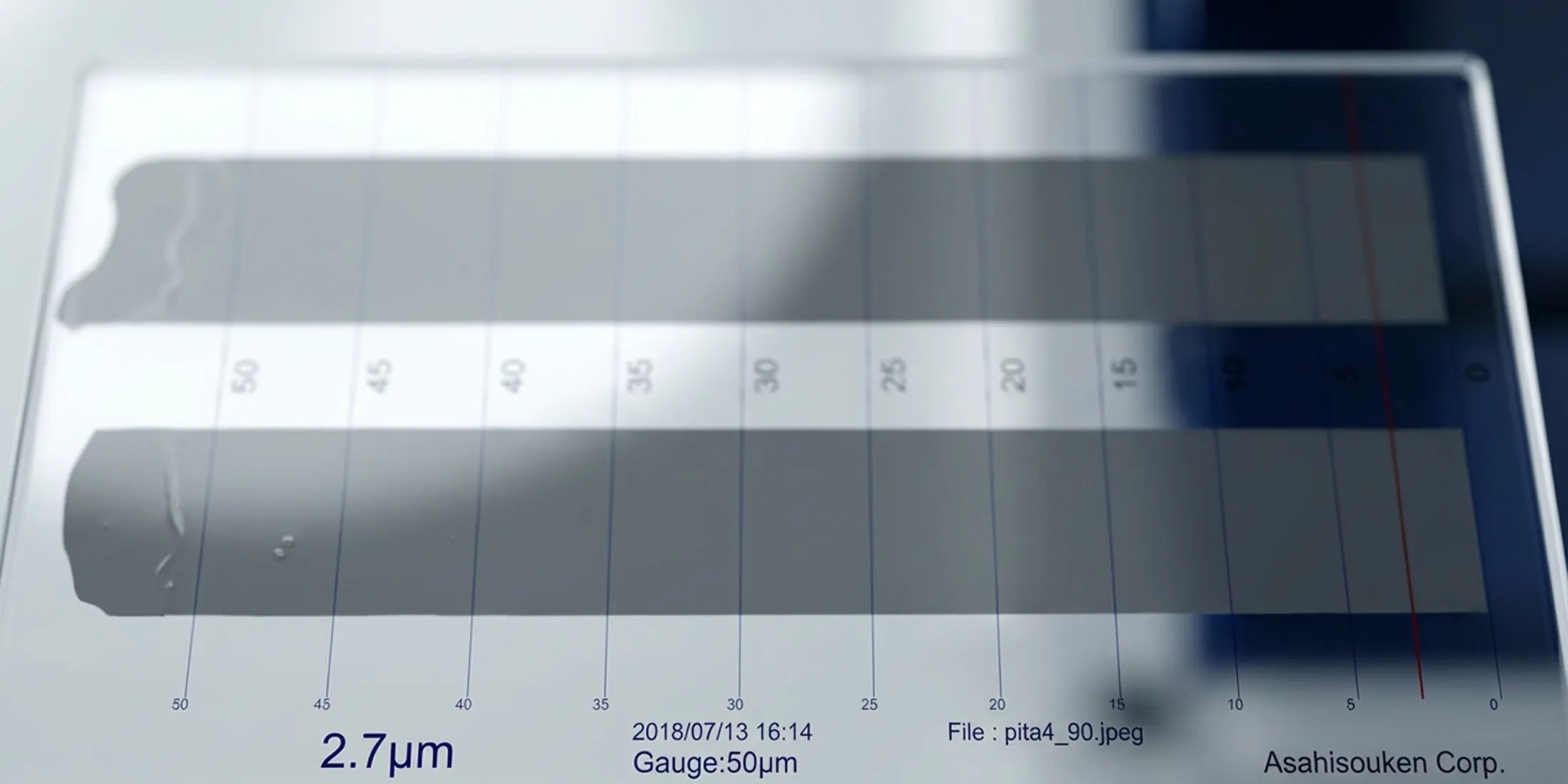
A grind gauge (also known as a fineness-of-grind gauge or grindometer) is a measuring instrument used to evaluate the particle size and degree of dispersion of pigments and fillers contained in paints, inks, and coating materials. It is used in accordance with the test method specified by JIS K 5600-2-5 (ISO 1524).
The Importance of Oil Absorption Measurement for Next-Gen Battery Materials
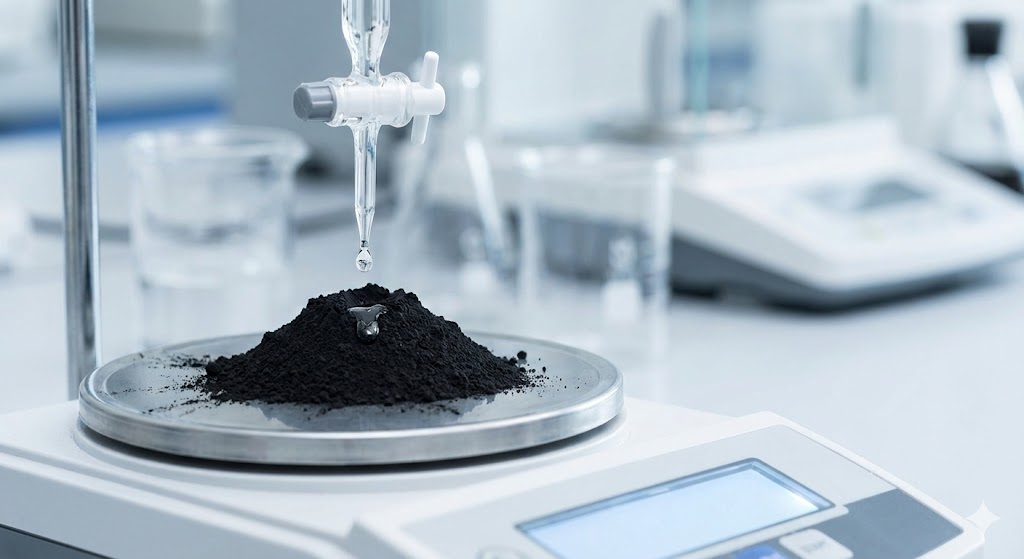
Oil absorption measurement is a test method that quantitatively evaluates how much liquid (typically DBP: dibutyl phthalate, or refined linseed oil) a powder sample can absorb. A small amount of liquid is gradually added dropwise to a fixed quantity of powder while kneading, and the turning point — where the torque (viscosity resistance) of the mixture rises sharply — is detected to calculate the maximum oil absorption (mL/100 g) of the powder.
JIS/ISO/ASTM Standards Compliance Guide for Measurement Instruments
In powder material measurement, compliance with JIS, ISO, and ASTM standards is not merely a formality. It serves as the foundation for reliably ensuring quality assurance within international supply chains and building trust with business partners.
Carbon Black Void Volume Measurement Technology
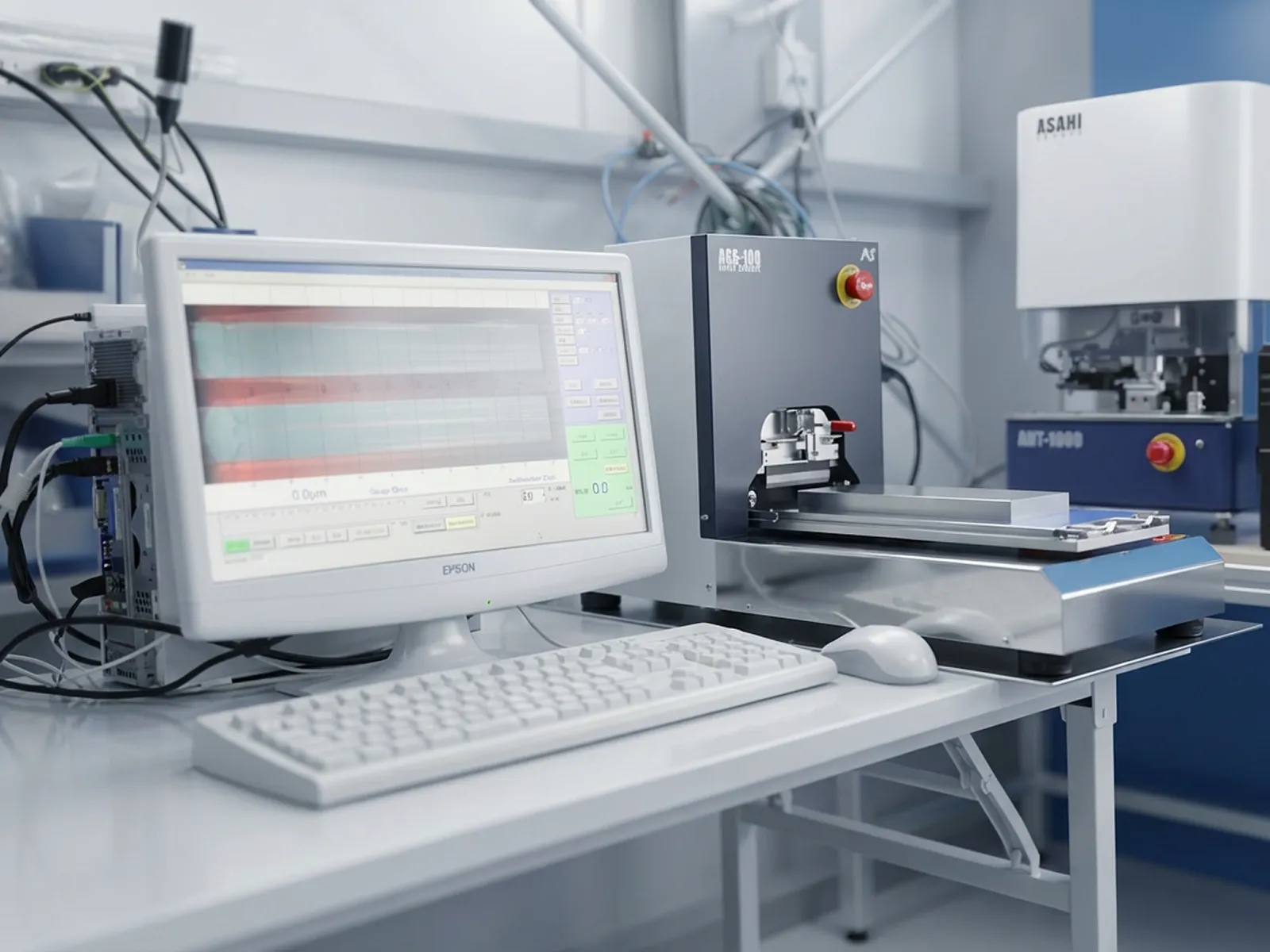
Void volume refers to the interstitial void space that remains between particles when carbon black aggregates are compressed under a given pressure. Carbon black forms complex three-dimensional structures (structure) through the fusion and bonding of primary particles, and the amount of voids changes depending on the size and shape of this structure.